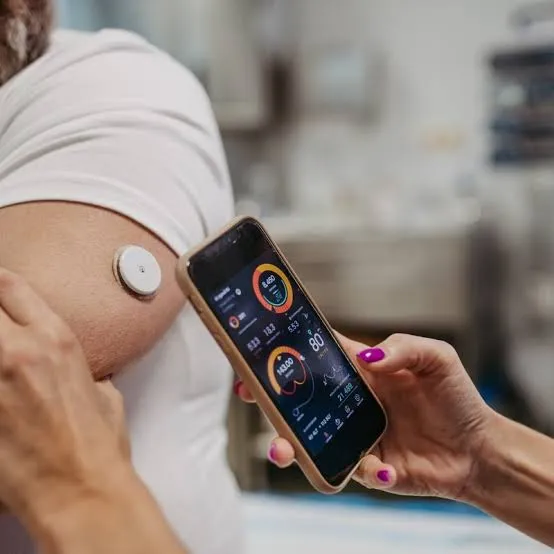
Harness real-time biometric telemetry, automated trend detection, and longitudinal data analysis to keep track of essential bodily systems with clinical clarity.
Continuous tracking across key bodily networks provides a comprehensive multi-dimensional picture of your current physiological state.
Measures continuous beats per minute, pulse wave velocity, systemic vascular resistance, and autonomic nervous system tone through heart rate variability.
Monitors arterial blood oxygen saturation (SpO2), nocturnal hypopnea indices, and real-time respiration frequencies during exertion and rest.
Analyzes meal-induced glucose fluctuations, insulin sensitivity windows, and metabolic stability across fasting and active windows.
Measures baseline thermal oscillations down to 0.05 degrees Celsius to detect early immune activation, illness incubation, and circadian shifts.
Quantifies daily autonomic strain through high-frequency rMSSD computations, galvanic skin response, and sympathetic nervous tone.
Breakdown of light sleep, deep delta slow-wave rest, and rapid eye movement stages to optimize physical tissue repair and memory consolidation.
LifeMonitor continuously maps your active telemetry against clinically verified healthy baselines.
Lower resting pulse rates with high variability correlate with robust cardiac stroke volume and parasympathetic recovery.
Maintains oxygen delivery to cerebral, muscular, and vital organ networks under everyday cognitive and physical tasks.
A key indicator of autonomous adaptability; higher scores reflect effective recovery from systemic stress.
Composite metric evaluating deep sleep ratio, continuous heart rate lowering dip, and absence of micro-awakenings.
Continuous Multi-Device Ingestion
LifeMonitor aggregates vital data streams from leading clinical smartwatches, continuous glucose sensors, chest-strap heart monitors, and smart sleep tracking pads into a single synchronized dashboard.
Secure encrypted data transmission every 15 minutes ensures real-time telemetry updates.
Noise-filtering algorithms reconcile discrepancies across multiple wearable sensors.
Dynamically updates your physiological norms as fitness and metabolic parameters improve.
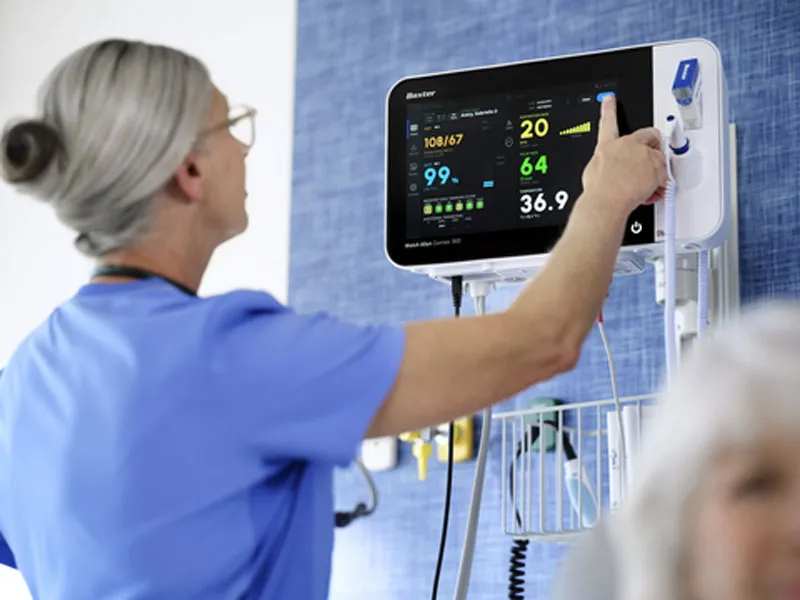
Follow established scientific guidelines to ensure consistent, artifact-free biometric tracking data.
Record baseline blood pressure and resting heart rate immediately upon waking before caffeine intake or strenuous movement.
Maintain snug optical sensor contact two finger widths above the wrist bone to prevent ambient light noise during pulse tracking.
Log strenuous physical workouts, high-glycemic meals, and late-evening screen time to contextualize unexpected biomarker deviations.
Understand the physical sensor modalities, electrical impedances, and optical wavelengths powering real-time physiological tracking.
Emits 660nm red and 940nm infrared light through dermal capillary beds to measure differential pulsatile absorption and blood volume change.
Micro-filament glucose oxidase electrochemistry generating nano-ampere current proportional to interstitial fluid glucose concentrations.
Applies sub-sensory alternating currents across 5 kHz to 500 kHz frequencies to determine intra vs extra-cellular fluid balance and phase angles.
Dual thermistor heat flux measurement isolating ambient thermal drift from genuine dermal perfusion and circadian temperature nadir shifts.
Gold-Standard Cross Validation
Raw wearable data is subjected to advanced motion-artifact suppression, digital Kalman filters, and longitudinal baseline recalibration.
3-axis accelerometer sensor fusion removes vibrational noise during running, typing, or restless sleep.
14-day rolling statistical windows adapt to training adaptation, seasonal changes, and altitude adjustments.
Telemetry packets are signed and timestamped at the hardware level to prevent corrupted data logging.
Continuous tracking of autonomic tone and oxygen kinetics provides immediate feedback on physical capacity and systemic fatigue.
Evaluates the spectral ratio between sympathetic fight-or-flight activation and parasympathetic restorative vagal brake. Target ratio during rest: <1.5.
Calculates milliliters of O2 delivered to working tissue per cardiac cycle. Higher oxygen pulse indicates superior stroke volume and aerobic efficiency.
Measures the speed and depth of parasympathetic reactivation during early slow-wave sleep. Slower rebounds indicate persistent systemic stressors.
How LifeMonitor stratifies biometric deviations from minor physiological adaptations to high-priority physician review alerts.
All vital metrics remain strictly within the user's calibrated 14-day standard deviation thresholds.
Transient elevation in heart rate or body temperature correlating with logged exercise or intense physical tasks.
Elevated resting pulse or depressed HRV persisting over 48 hours without corresponding exertion, prompting lifestyle adjustments.
Persistent extreme excursions outside safety boundaries, triggering automated notification to schedule clinical review.
Consult with our digital health specialists to select the optimal sensor configuration, tracking metrics, and alert thresholds tailored to your wellness objectives.
Identify which vitals require immediate continuous oversight.
Personalized parameters configured for your age and fitness level.